


Morning Aarti
5:00 AM – 6:00 AM


Loading temples…
Ancient Shiva temple believed to have been built by Kush.
Ancient Shiva temple believed to have been built by Kush.
 Ayodhya, Uttar Pradesh
 5:00 AM – 8:00 PM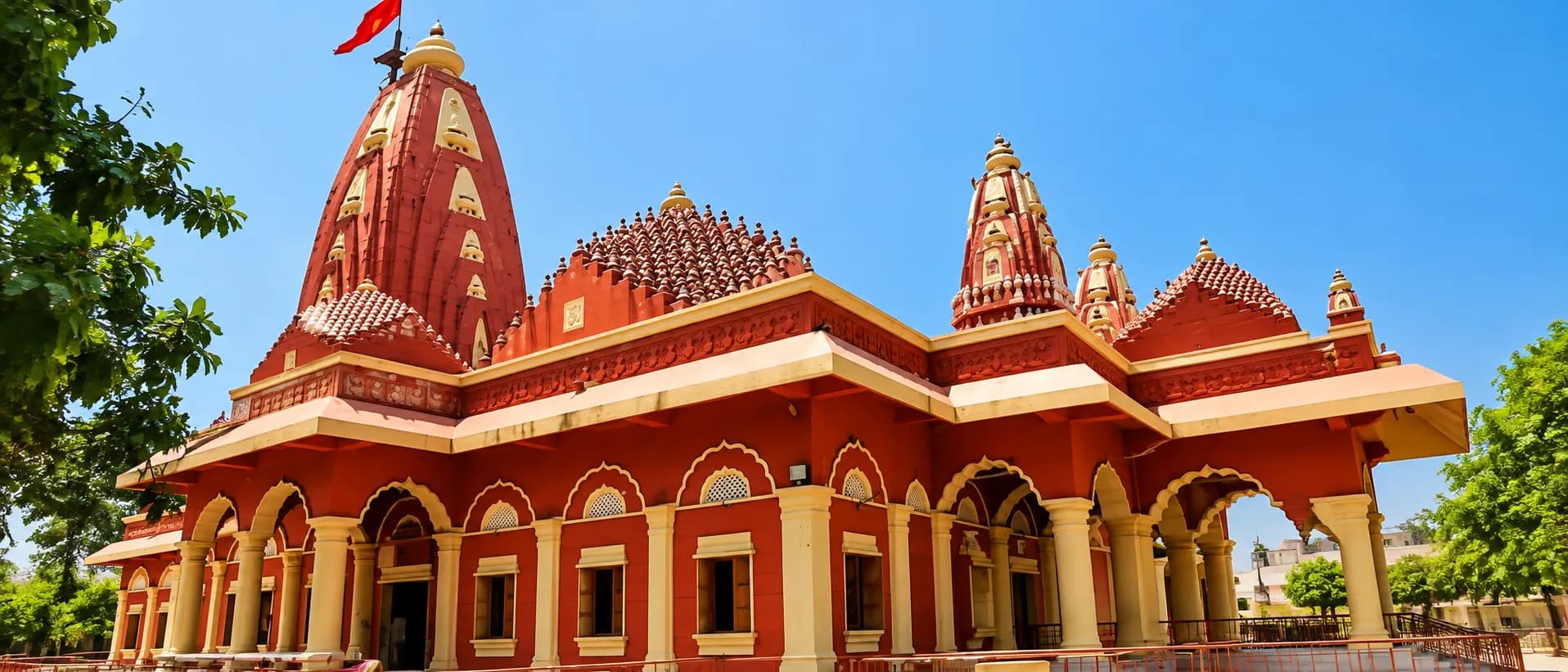
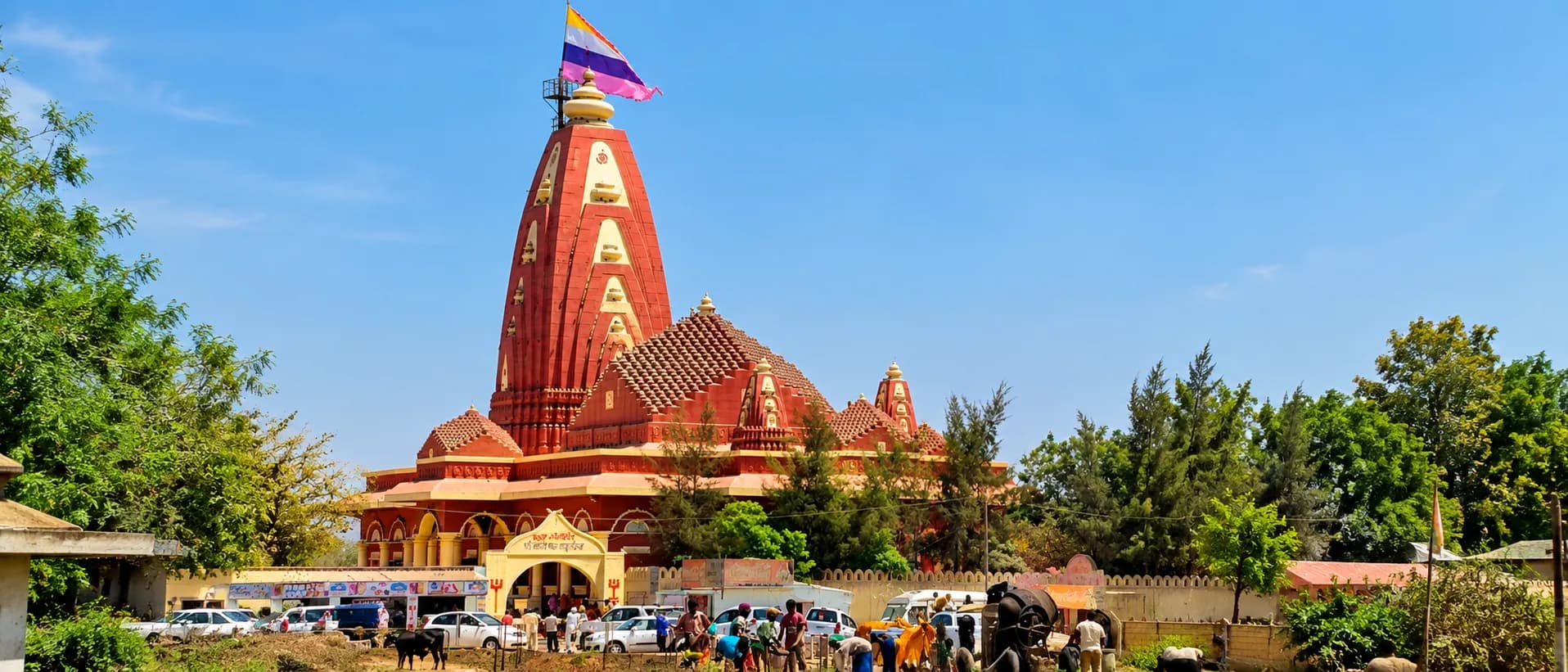
Nageshwar Nath Mandir is an ancient Shiva temple located at Ram Ki Paidi in Ayodhya, Uttar Pradesh. According to local tradition, the temple was established by Kush, the son of Lord Rama. The legend says that Kush lost his armlet while bathing in the Saryu River, and a Nag-Kanya who found it returned the ornament to him. As she was a devotee of Lord Shiva, Kush is believed to have built the temple for her. The present structure was built in 1750 by Naval Rai, a minister of Safdar Jung. The temple is especially significant during Mahashivratri, when devotees gather for worship and the traditional Shiv Barat procession.
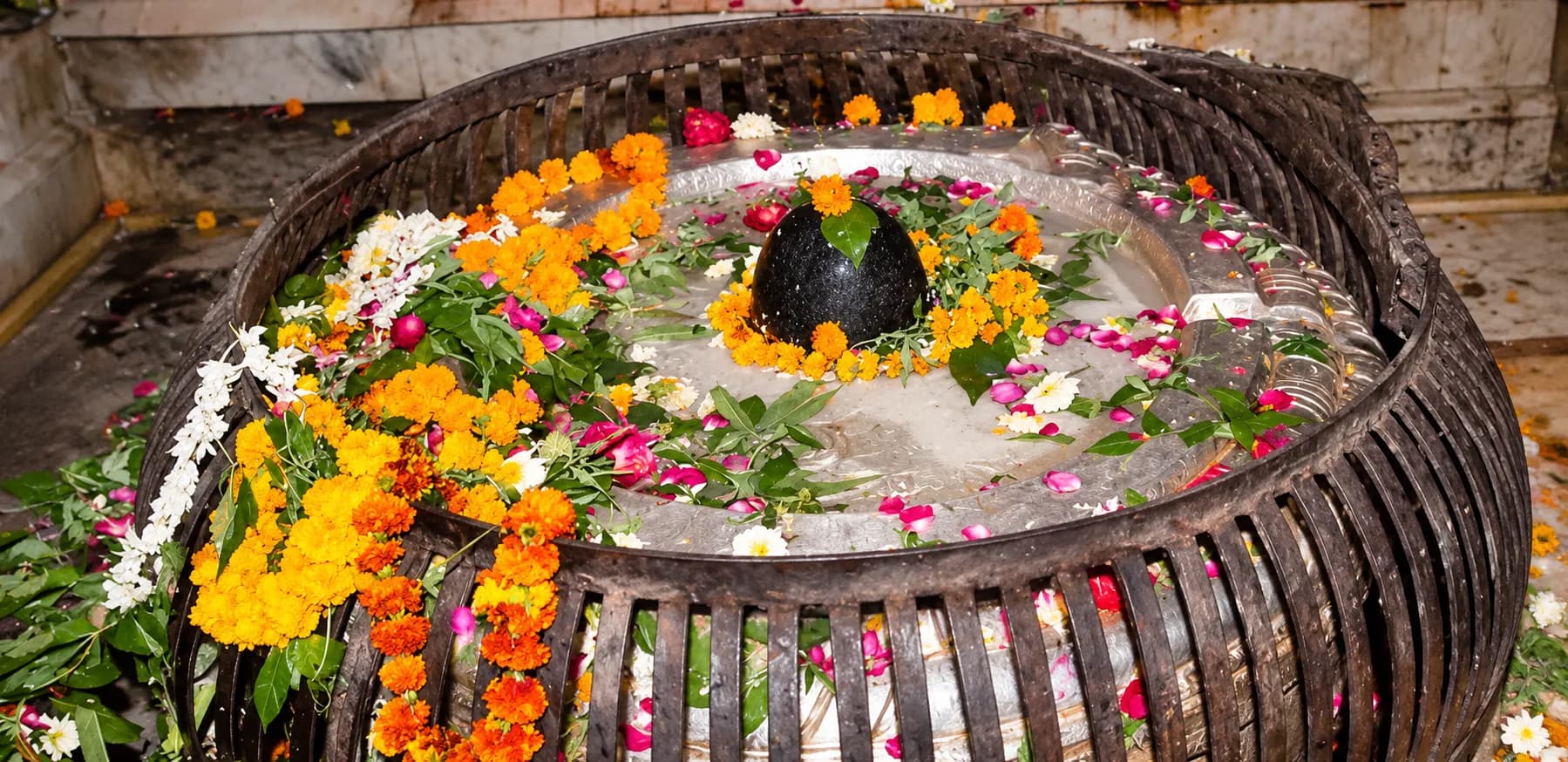
Nageshwar Nath Mandir features the traditional character of an historic North Indian Shiva temple, with a prominent entrance, decorated walls, arches, pillars, and a sanctum dedicated to Lord Shiva. The present structure dates to the 18th-century reconstruction carried out by Naval Rai in 1750. Its interior and exterior display colourful decorative elements and detailed craftsmanship that enhance the devotional atmosphere. The temple layout includes spaces for devotees to gather and worship, with the Shiva Lingam enshrined in the sanctum as the central focus. The combination of traditional design, ornamentation, and sacred function reflects Ayodhya’s long-standing temple heritage

A revered Shiva shrine linked to Kush, Lord Rama’s son, and Ayodhya’s ancient spiritual heritage.
5:00 AM – 6:00 AM

Sacred bilva leaves offered to Lord Shiva during worship and abhishek.
Nageshwar Nath Mandir is situated at Ram Ki Paidi in Ayodhya, Uttar Pradesh, close to the sacred Saryu River. Its location places the temple within one of Ayodhya’s important pilgrimage areas, surrounded by historic ghats and other religious landmarks. Devotees visiting the shrine can also explore the Ram Ki Paidi riverfront and nearby temples as part of a traditional Ayodhya pilgrimage. The temple is accessible by road from different parts of the city and is well connected to Ayodhya’s railway and road networks. Its riverside setting adds to the spiritual character of the temple and its surrounding pilgrimage landscape.
Get Directions